From One-Size-Fits-All Bins To Intelligent, Expandable Storage
Detailed project page
Problem
Most storage products lock users into fixed drawer sizes and layouts. As collections evolve, users either waste space, lose visibility, or replace entire systems instead of extending what they already own.
Solution
Modulus Drawers uses standardized, Gridfinity-compatible modules with configurable dimensions, optional automated sorting, and a web-based configurator that can generate and refine layouts from real inventory data.
Executive Summary
Modulus Drawers is designed for makers, hobbyists, and teams who need flexible part organization with a clear upgrade path. The system starts as modular physical storage, then scales into software-assisted layout generation, inventory integration, and optional automation.
The core value is reduced setup friction: users can start simple, expand incrementally, and maintain a coherent organization standard without rebuilding their entire workspace each time needs change.
Functionality
Modular Drawer Hardware
- Gridfinity-sized modules with customizable depth and compartmenting.
- Expandable in all directions without replacing existing units.
- Designed around repeatable, compatible interfaces between modules.
Web/App Configurator
- Imports part lists and category data to propose optimized layouts.
- Supports drag-and-drop manual refinement before purchase or fabrication.
- Targets both online and offline/LAN operation for privacy-focused users.
Smart Features
- Smart labeling with QR workflows and optional visual part-finding aids.
- Inventory tracking and project-oriented grouping modes.
- USB power/data expansion for scanners, label tools, and modules.
Automation Layer
- Optional hopper-based sorter for unsorted part streams.
- Sorting logic accounts for quantity, geometry, categories, and relationships.
- Extensible beyond LEGO into general parts and user-defined taxonomies.
Current Progress
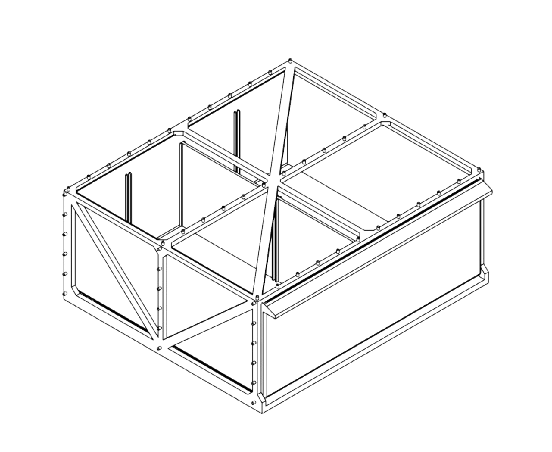
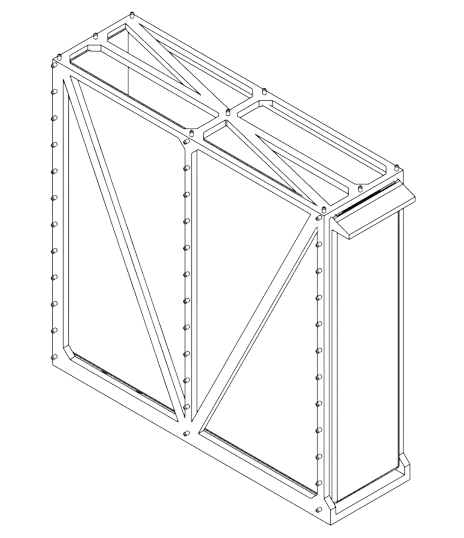
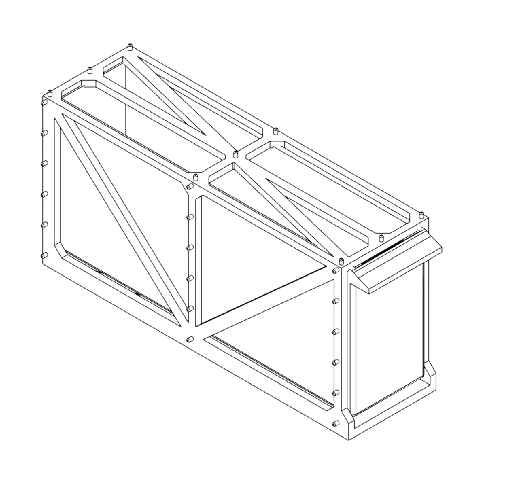
- Current hardware iteration performs reliably as a self-contained modular system.
- Manufacturing readiness remains the main hardware gap before scale-up.
- Automatic sorting and data-driven layout logic are in active prototype stages.
Roadmap and Budget
Production Timeline (12 Months)
- Months 1-2: finalize physical prototype and modular standards.
- Months 3-6: ship configurator MVP and continue app-side workflows.
- Months 7-9: complete auto-sorter prototype and injection mold preparation.
- Months 10-12: manufacturing kickoff, launch marketing, start early shipments.
Budget Target (~$600,000 CAD)
- Engineering salaries (software + mechanical): ~$160,000.
- Injection mold setup: ~$200,000.
- Initial manufacturing and inventory: ~$200,000.
- Marketing and brand launch: ~$39,600.
- Website/server and DevOps baseline: ~$400 annually.
Risks, KPIs, and Success Criteria
Primary Risks
- Commercial adoption risk despite clear technical value.
- Sorting reliability and throughput for diverse item geometries.
- Algorithm speed and packing quality for large inventories.
- Manufacturing quality control at launch scale.
Key Performance Indicators
- Physical: interoperability, load capacity margin, long-term reliability.
- Digital: recommendation relevance, packing efficiency, easy retrieval.
- User outcome: reduced search time and reduced overflow incidents.
- Business outcome: retention, upgrade adoption, and recurring sales.
Go-To-Market Recommendations
- Build a community hub where users share layouts, bins, and sorter databases.
- Use influencer sponsorships across LEGO, electronics, engineering, crafting, and automotive niches.
- Offer tiered buyer paths: base hardware, smart labels/inventory, and full automation.
- Prioritize open compatibility and migration tooling to lower switching costs.
Project Documents
Research References
- Hanson and Medbo, 2012. Kitting and Time Efficiency in Manual Assembly.
- Madan et al., 1995. Grouping Parts and Assembly Time.
- Mazur et al., 2024. Benefits of 5S Workplace Organization.
- Palad, 2022. Organizational Efficiency Through Technology Adoption.
- Pentland et al., 2025. Recurrence and Dynamics of Organizing.
- Gridfinity Standard by Zack Freedman (GitHub).